Monday, May 2, 2011

Mariokart-all gaming systems.


Mariokart is a car racing game. Characters race against each other on various levels. There are floating question mark boxes that each racer had the opportunity of collecting. Collecting an item from these boxes allows the racer to sabbotage their opponents. They can do things such as: shoot a turtle shell to make an opponent stall out for a moment, throw banana peels to have the same impact, shock all opponents making them shrink and slow down, get a mushroom which speeds up the recipient, etc. It is not a violent game and I would let my child play this game as soon as their motor skills are competent enough to handle the aspect of racing. It would have no detrimental side effects if a child played this game too early. It will just inhibit their performance in the game. 

Mariokart is rated E for everyone. 

Monday, April 11, 2011

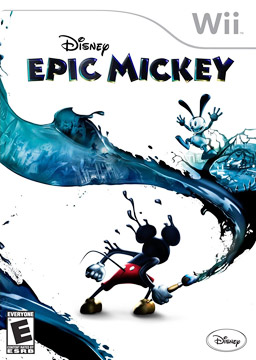
Epic Mickey


This is a rather new game released in 2010 for the Wii console. The game focuses on Mickey Mouse, who accidentally damages a world created by Yen Sid (from Fantasia) for forgotten characters and concepts, and is forced to fix the world while combating antagonists with a magic paintbrush. For the first time since 1928, Oswald the Lucky Rabbit, plays a staring role as Mickey's nemesis. I have a personal love for this game because I am very familiar with Disney and Disney history. In this game Mickey is back to his mischievous self and roams through a world that is reminiscent of the Disney parks, where he completes missions and chases down Oswald. 


The game is rated E for everyone and this is a very fair rating. Their are a couple scenes in the game that are a tad dark and could be considered scary to very young children. Other than that anyone would find this game fun, my baby boomer mom thinks it is fun and so does my 9 year old cousin.

The Legend of Zelda: Twilight Princess

Twilight Princess reintroduces us to two of Nintendo's most popular characters: Princess Zelda and the heroic Link.  The gamer plays as Link as he battles through the fantasy world of Hyrule to rescue the princess from the clutches of the antagonist Ganondorf.  This games is rated T for Teen because of fantasy violence and animated blood, and I think this is an acceptable rating for this game.  I think this is an appropriate game for children as young as 13 years old, as it is full of fun puzzles and action and has a great plot.  There is only one part that I can think of where some ghosts are involved, and if the child is especially sensitive to ghosts or skeletons, perhaps being there with your child when they play this would be necessary.

Call of Duty: Black Ops

The latest installment in the stupidly best-selling Call of Duty franchise, Black Ops carries on in fond memory of its predecessors, copying and pasting every aspect of the last game in the series, slapping a new label on the box, and laughing all the way to the bank. It's a tried formula that's worked to perfection for Activision and it doesn't look like they're planning to stop as shown by both this game and the Guitar hero series.

The single-player is tolerable, just as in all the other installments. I found the storyline to be less interesting than in the modern warfare line, but still dozens of times better than those in the WWII stories. There's a limit to the number of times you can kill Nazis and make it interesting. This game is staged during the Cold War and is made rather interesting by your encounters with historical figures from the times such as JFK and Castro. It feels grittier and gorier than the WWII titles and is distinctly inappropriate for younger audiences.


In my personal opinion, the multiplayer makes a pretty substantial improvement from its utterly broken and unplayable modern warfare 2 counterpart. Several of the obnoxious and useless weapons are removed and most of the broken ones have been nerfed to tolerability. While the typical game modes return including death match, domination, search and destroy and all the others, they've also added a few new ones called wager matches. In these modes you wager your COD points, which you use to buy new weapons, attachments and perks, against your opponents in a variety of new and interesting game types. While nothing ground breaking, these modes add a bit of variety to an repetitive experience.

As to the appropriateness of the content, the multiplayer contains material suitable for mature teenagers. Whereas the single player surrounds a military interrogation complete with shock treatments and questionable drugs, the multiplayer is devoid of any vices outside of violence. The gore and blood is toned down to near non-existence and there isn't even an ounce of sexual content. As long as you take care to monitor your teen's online interactions and make use of the parental safety settings on the console, your teen should remain protected from even the most horrible trolls and flamers.

Another online compatible mode that should be mentioned is the Nazi zombies mini game. This mode plays just like it sounds. You're dropped in a base filled with zombies and you've got to survive. Incidentally, the zombies are Nazis. This game mode is cooperative, with up four players and distinctly more bloody than the regular multiplayer. The most efficient method of exterminating zombies is to shoot them in the head, which explodes in a shower of blood and gory chunks. Blowing off limbs also slows the zombies down significantly, quickly littering the battlefield a wasteland of dismembered arms and legs. Due to the intense violence in this mode, I'd suggest limiting this game mode to those older than eighteen.

While nothing particularly new or different, Call of Duty: Black Ops is a solid first person shooter. If you haven't gotten sick of fragging nameless noobs with your friends, this game is certainly a candidate for purchase. If you're looking for an interesting single player experience, I'd suggest looking elsewhere, but the multiplayer retains what made the modern warfare franchise so huge. However, keep in mind that this game deserves its M-rating in many aspects, so parents need to keep tabs on what their children are playing.

The Sims: 1, 2 and 3

 "Get inspired by the endless creative possibilities and unexpected moments of surprise and mischief." -thesims3.com

One of my favorite games to play has been The Sims series. I've played all three of the games in the series, and the game play for each has been relatively the same while the graphics have drastically changed since the original. The Sims is available for console gaming, but the bulk of games are geared toward being played on the Computer (either PC or MAC). The remainder of the review I will be talking about The Sims 2 because it is one of the more recent in the series and I have the most experience with it.

The premise of the game is relatively simple, you create a character from head to toe and live out their life. You can create an old man or a tiny toddler, it's completely up to you. You select their physical appearance along with what you want their personality to be like. This often times will take almost an hour because there are so many different options to chose from, making it hard to decide. From this point you can choose to make a family for them or go it solo, obviously if you choose to make a child you will have to make an adult to accompany them. 

Instead of objectives, the player is encouraged to make choices and engage fully in an interactive environment. This has helped the game successfully attract more casual gamers. The only real objective of the game is to organize the Sims' time to help them reach personal goals.

The Sims is rated T for Teen because of Crude Humor, Sexual Themes, and Violence. These thing all manifest themselves throughout game play and your interactions with other Sims in your neighborhood. You control your Sim so essentially you're playing God. I started playing this game when I was about 13 or 14 years old and I feel it would be appropriate for anyone within that age group.

Sunday, April 10, 2011

Parental Controls

Parental controls are setting that are included on the newer gaming systems including the X-box 360, Wii, and Playstation 3 to help parents control what content their children are able to access either on or offline. Effective use of these controls can help protect your children from whatever video game evils you happen to perceive, whether it's mature content, crude online gamers, or excessive playing times.


For example, the X-box 360 possesses a parental control system much like those on modern cable boxes. A parent can get onto the system and set a password to be entered before M-rated content can be accessed. They can also force the system to turn off after a set number of hours have been played. In conjunction with talking with your children, these controls can help stop video games from becoming too much of a good thing.

The online controls available on X-box live are also vital to protecting your children, particularly their sensitive ears. To name just a few of their functions, the online controls can prevent children from hearing gamers who aren't on their friends list, deny other gamers from viewing their online profiles and restrict purchasing of online content.


Parental controls provide an excellent avenue for limiting children's exposure to questionable content and people. They allow parents to monitor their children's video game experience without watching over their shoulders every minute. Used correctly, they can essentially eliminate children's access to inappropriate content. Make sure to learn about these controls in the manuals that come with the consoles.

The ESRB Rating Scale

Since 1994, the Entertainment Software Rating Board has been giving video games ratings based on the appropriateness of their content. While they do have their detractors and personal observation is the best form of parental monitoring, their ratings give a very good baseline as to what to expect from the games you buy for your children or yourself.


The First and weakest rating is the early childhood mark. It signifies games suitable for young children and everyone older, though it's likely few teens or adults would wish to play games targeted to such a young audience. These are the games you should find appropriate for your toddlers should you wish to use video games in a developmental role. They are frequently marketed as such and oftentimes prove highly effective.  Examples of games in this category include: Dora The Explorer, and JumpStart Pet Rescue. 

The most common rating is appropriately named Everyone. It signifies a game with no real questionable content suitable for all audiences, much like a G-rating in the movie theaters. These games might include some minimal cartoon, fantasy or mild violence. It signifies a game that can be enjoyed by everyone from children to adults. Examples of such games include: Epic Mickey, The Legend of Zelda series, Mario series, Pokemon series, and Madden NFL games. 

The E-10 rating serves to identify a game appropriate for most audiences but slightly racier than the Everyone label. It frequently contains things like fantasy violence and comic mischief which may prove inappropriate for children under 10 but completely suitable for everyone older. This rating was introduced in 2004 and Donkey Kong Jungle Beat was the first game to receive this rating. Examples from this category include Lego Star Wars, the Kingdom Hearts series, and The Legend of Spyro series. 

The Teen rating is also rather prolific within the video game market. It signifies a game with a decent amount of violence or strong language that would be unsuitable for children under the age of 13 or 16. These games are not suitable for younger audiences but don't possess any potentially scarring material. In fact, with parental supervision they are frequently appropriate for slightly younger audiences. Examples from this category include: The Sims, Super Smash Bros. Brawl, and the Guitar Hero series. 

The Mature rating signifies that titles in this category may contain blood and gore, sexual content and extreme language. Many retailers refuse to sell games with this rating to people under 17. This rating is one that parents should pay particular attention to when selecting games for their children. If you wouldn't let your child see an R rated movie then they probably shouldn't play an M rated game either. Examples from this category include the Halo series, the Grand-Theft Auto series, and the Gears of War series.

The Adult Only rating contains content that is considered unsuitable for people under 18 years of age, and cannot be bought by anyone below that age. These may include adult video games that show uncensored sex and graphic nudity, extreme violence and blood and gore. Companies like MicrosoftSony and Nintendo all have policies forbidding AO rated games to be licensed on their consoles. As of 2010 there were only 23 games registered as AO rated. 

The Rating Pending mark signifies a game which has yet to be rated as it is still in its developmental phases. Games are not released with this rating, but companies will frequently begin advertising for their games before they've received an official rating. Parents don't need to worry about accidentally buying their children inappropriate content due to this rating.